
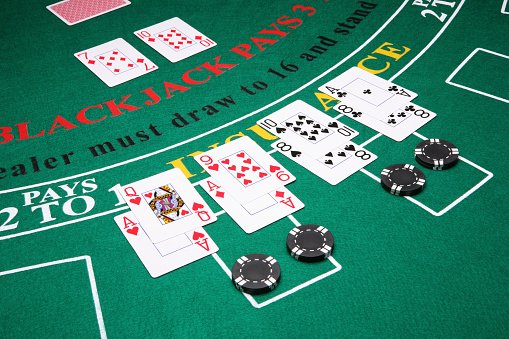
New players don’t need a “secret system” – they need a simple money plan that keeps them in the game longer, limits damage on bad runs, and lets them walk away with profit when things go well. This New Player Blackjack Money Plan does exactly that.
New Player Blackjack Money Plan: The Simple Way To Play Longer, Lose Less, and Leave Ahead
If you’re new to blackjack, it’s easy to get sucked into fancy betting systems and complicated charts you’ll never actually use at the table. What you really need is a clear, easy‑to‑follow New Player Blackjack Money Plan that tells you:
- How much to bring
- How much to bet
- When to stop losing
- When to lock in a win
I’ve been around blackjack and betting strategy for years, and the players who do best long term aren’t the ones chasing Fibonacci sequences or Martingale “double up” ideas. They’re the ones with simple rules they actually stick to.
In this guide, I’ll walk you through a practical money plan you can use on your next trip – with real‑world examples, not theory. By the end, you’ll have a step‑by‑step approach that:
- Limits your downside
- Gives you a real shot at leaving ahead
- Fits perfectly for casual players and small to medium bankrolls
1. Step One: Set Your Session Bankroll Like A Pro
Before you think about betting systems, you need one decision: How much are you willing to lose this session without stress? That’s your session bankroll.
The 30–50× rule
A solid rule of thumb for new players is this:
Examples:
- £5 flat bet → £150–£250 session bankroll
- £10 flat bet → £300–£500 session bankroll
- £25 flat bet → £750–£1,250 session bankroll
This gives you enough bullets to ride out normal swings without busting in 20 minutes, but not so much that one bad shoe destroys your whole gambling budget.
My personal rule
Personally, I treat blackjack like paid entertainment with a chance of profit. I ask: “If I lost every penny of this session bankroll, would I still sleep fine tonight?” If the answer is no, the stake is too high. That mindset alone saves more players than any “advanced system” ever will.
2. Step Two: Flat Betting – Your New Best Friend
New players are often tempted by systems like Fibonacci, Martingale, or Paroli because they sound clever and “mathematical”. The reality: they increase risk and don’t change the house edge.
Why flat betting wins for beginners
Flat betting means you bet the same amount every hand – no doubling after losses, no fancy patterns.
For example:
- You decide on £5 per hand
- Every normal hand is £5 (you still double/split when basic strategy tells you to)
Benefits for new players:
- Easy to track wins and losses
- No emotional “chasing” after bad beats
- Much lower risk of blowing the bankroll in a short streak
Casinos love progression systems because they increase volatility – big highs, big crashes. Flat betting smooths that out and keeps you playing longer on the same bankroll.
The 1–2% rule
For most casual players, each base bet should be around 1–2% of your session bankroll.
- £200 bankroll → £2–£4 bets (call it £5 in the real world)
- £500 bankroll → £5–£10 bets
Yes, that might feel “small”, but that’s exactly the point. You want time at the table and a real shot to catch good runs, not a 15‑minute rollercoaster.
3. Step Three: Use Basic Strategy (Cheat, Don’t Guess)
You can’t have a serious New Player Blackjack Money Plan without talking about how you play the hands. No money system can save you from constantly making bad decisions.
Why basic strategy isn’t optional
Basic strategy is the mathematically optimal way to hit, stand, double, and split based on your hand and the dealer’s up‑card. When you follow it:
- You cut the house edge down to roughly 0.5–1% (depending on rules)
- You avoid expensive “gut feel” errors like standing on 16 vs 10 in the wrong spots
- Your results are driven by math, not mood
You can get printable charts or even casino‑branded cards that show you the correct move for every situation. In many places you’re allowed to have the chart on the table.
A simple example
Let’s say you’ve got:
- Player: 12
- Dealer: 2
Most beginners stand “to avoid busting”. Basic strategy says hit in most rule sets, because the math over thousands of hands shows you win more by hitting.
Your money plan becomes far more powerful when you stop throwing away value on basic decision mistakes.
4. Step Four: Build In A Hard Stop-Loss
Now we’re into the part most players never define: exactly when they will stop playing if things go badly.
Without a stop‑loss, you’re one bad shoe away from chasing losses and blowing through money you never planned to risk.
The 40–50% stop‑loss rule
A clean, simple approach:
Examples:
- £200 session bankroll → stop‑loss at £80–£100 loss
- £400 session bankroll → stop‑loss at £160–£200 loss
So if you start with £200 and tell yourself, “If I hit £120 left, I’m done,” you’ve protected half your ammo for another day. That’s how you avoid turning one bad session into a weekend disaster.
A real‑world scenario
Let’s say you sit down with £200, flat betting £5:
- You get a horrible run: double downs miss, splits lose, dealer pulls 21 for fun
- After an hour or two, you’re down £100
Most players think, “I just need one good shoe to come back,” and keep going. My rule – and the one I’d put into any New Player Blackjack Money Plan – is: stand up, cash out, and call it a losing session.
You can always plan another session tomorrow with a clear head.
5. Step Five: Set A Realistic Win Goal (And Actually Stick To It)
Everyone loves the idea of “hitting it big”, but that’s not how smart players think. They have realistic win goals tied to their bankroll.
The 30–50% win goal
A simple rule for new players:
Examples:
- £200 bankroll → win goal £60–£100
- £400 bankroll → win goal £120–£200
This might not sound like life‑changing money, but these are realistic targets that you’ll hit surprisingly often when you combine basic strategy, flat betting, and a bit of normal short‑term luck.
The floating lock‑in technique
Here’s a trick I like that respects both risk and psychology:
- Start with £200
- You run good and get up to £280 (that’s +£80, or +40%)
- You say, “That’s my win goal – but I’ll play a little longer”
Instead of risking going all the way back down, you move your stop‑loss up to your original £200.
From that point:
- Best case: you win more and leave with a bigger profit
- Worst case: you give some back but leave even
You’ve “locked in” not losing this session, which feels great and keeps you away from emotional chasing.
6. Putting It All Together: A Complete New Player Blackjack Money Plan
Let’s bring everything into one simple, repeatable plan you can actually use.
Example: £200 session, £5 base bet
You decide in advance:
- Base bet: £5 per hand (flat)
- Session bankroll: £200
- Stop‑loss: £100 loss (quit if you drop to £100)
- Win goal: £80 profit (quit if you reach £280)
- Strategy: basic strategy chart for the rules you’re playing
What happens in practice:
- You sit down, bet £5 every hand
- You follow basic strategy, doubling/splitting when the chart tells you to
- You track your stack every 10–15 minutes (roughly once per shoe online or once in a while live)
Outcomes:
- If you hit £100 left: you’re done, no topping up, no ATM
- If you hit £280: you either cash out or move your stop‑loss to £200 and give yourself a “free roll” at extra profit
You’re not guaranteed to win – no honest plan can promise that – but you are guaranteed to:
- Limit your worst‑case session loss
- Have clear rules so you don’t tilt
- Give yourself genuine chances to book a solid win and walk away
That’s what a real New Player Blackjack Money Plan is about.
7. Extra Tips To Make This Plan Work In The Real World
A few extra habits make a big difference.
Pick the right tables
- Favour games with 3:2 blackjack payouts over 6:5 – that alone is a big edge saver.
- Look for reasonable minimums so your 1–2% bet sizing is possible (no point bringing £200 to a £50‑min table).
Avoid side bets (at least at first)
Most side bets have a much higher house edge than the main blackjack game. They’re fun, but they eat your bankroll. If you’re serious about your money plan, either skip them or set a tiny, separate “fun side bet budget” and accept that it’s usually going to zero.
Manage your pace
The more hands you play per hour, the more you expose your bankroll to the house edge.
- Live dealer or physical tables with slower pace are actually your friend
- Online auto‑deal at turbo speed can burn through a session quickly
Take breaks, step away from the table, and treat the session as entertainment, not a sprint.
Conclusion: Your Next Session Needs A Plan, Not A System
You don’t need a complicated system to enjoy blackjack and give yourself a shot at walking away ahead. You need a clear New Player Blackjack Money Plan that:
- Sets a realistic session bankroll
- Uses flat betting and basic strategy
- Builds in hard stop‑losses and sensible win goals
- Gives you permission to walk away when either limit is hit
If you’re serious about limiting losses and giving yourself the best chance of profit, take five minutes before your next session and write down:
- Your bankroll
- Your flat bet
- Your stop‑loss
- Your win goal
Then stick to it.
If you’d like, I can help you turn this into a printable one‑page “Blackjack Money Plan” checklist you can keep on your phone or next to your computer.
FAQs: New Player Blackjack Money Plan
1. Can any money plan guarantee I win at blackjack?
No. Blackjack still has a house edge unless you’re using advantage techniques like card counting. A good money plan can’t guarantee wins, but it can limit your worst losses and give structure to how you play.
2. Is flat betting boring compared to systems like Martingale or Fibonacci?
Flat betting is calmer, but that’s a positive for new players. Progression systems increase variance and can destroy your bankroll during a bad run, while flat betting keeps you playing longer and avoids huge bet sizes.
3. How often should I adjust my base bet?
Only when your typical session bankroll changes meaningfully. Keep each base bet to about 1–2% of your normal session roll so you’re not over‑exposed in a single hand.
4. Should I change my bet size when I’m winning?
For new players, it’s usually best to stick to flat betting until you’re very comfortable. If you want to press your luck, you can occasionally bump a single bet slightly after a strong run, but keep your overall plan flat and disciplined.
5. How many sessions should I play in a day?
Think in terms of separate, pre‑planned sessions (for example, one afternoon, one evening), each with its own bankroll, stop‑loss, and win goal. Once a session hits either limit, that session is over – no dipping into the next session’s money.
Visit the Blackjack Strategies page for more news and other ways you can keep this great game fun and win when the card gods are on your side: